Police use AI to locate homes from interior photos, raising privacy concerns
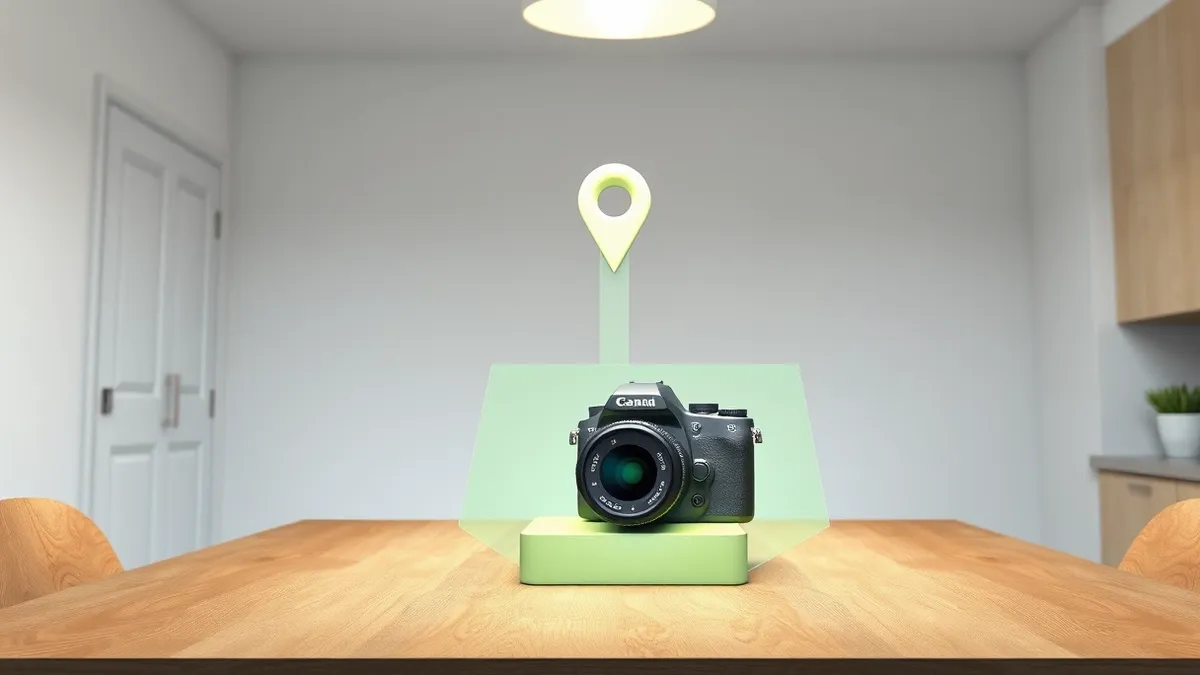
An AI tool matches indoor images to property listings, allowing law enforcement to pinpoint addresses without GPS data or external views.
Key points
- Graylark’s Raven AI identifies locations using visual clues from interior photos.
- Miami-Dade Sheriff’s Office and LAPD have purchased access to the tool.
- The system matches images against millions of public rental and property listings.
Law enforcement agencies are using an artificial intelligence tool that can identify the specific address of a home from a photograph taken inside the property, according to research published by Malwarebytes Labs. This capability allows investigators to locate residences without relying on GPS metadata or views through windows, fundamentally changing how digital images can reveal physical locations.
The tool, developed by Graylark, matches visual features within an image—such as wall tiles, room structure, and appliance placement—against a database of property photos. This means that even if a user strips location data from a digital image before sharing it, the visual content alone may still expose their home address to those with access to the system.
View the original post on X
What we know
Graylark renamed its previous geolocation tool, GeoSpy, to Raven and expanded its capabilities to include indoor location identification, according to 404 Media. The company’s founder, Daniel Heinen, secured $10.7 million in seed funding in August. Heinen stated that the tool is available only to enterprises, government bodies, and law enforcement agencies, not to the general public.
The Miami-Dade Sheriff’s Office and the Los Angeles Police Department have purchased access to Raven, as reported by 404 Media. The system includes a Short-Term Rental ID feature that searches millions of rental listings worldwide. It can also identify the make, model, and year of a car from an interior photo, and a new HotelID feature can determine which hotel a person stayed in from a single image.
Graylark asserts that the tool does not grant access to private accounts or messages. However, it can use email addresses to find publicly linked photos and then analyze those images for location clues. Airbnb stated it has no relationship with Graylark, while Zillow said scraping its site violates terms of service. These statements do not confirm how Graylark obtained its imagery database.
Heinen mentioned on September 8 that he was experimenting with footage from tens of thousands of dashcams. He has cited combating human trafficking as a use case, noting a George Mason University study found victims were exploited at hotels or motels in around 80% of federal sex trafficking cases in 2018 and 2019. Heinen emphasized that any suggested location must be checked against other evidence.
Defender's checklist
- Verify whether your organisation shares interior images that could reveal physical locations.
- Check if existing photo management policies address visual metadata beyond GPS coordinates.
- Review access controls for any tools that process or store high-resolution interior photography.
- Assess the risk of employees posting images of workspaces or client premises on social media.
The background in plain language
Digital images often contain hidden data, such as GPS coordinates, which can reveal where a photo was taken. Users can remove this metadata to protect their location. However, visual features within the image itself, like furniture layout or architectural details, can also serve as unique identifiers. Teams usually assume that removing metadata is sufficient for privacy
What to do and how to stay safe
- Data classification is the primary control mechanism for preventing leaks.
- Standard frameworks provide a free structure for risk assessment.
- Delegating technical checks to vendors reduces internal workload.
AI governance for small teams relies on clear data rules and consistent human oversight, not expensive software. Start by classifying your data and defining what can be shared with AI tools.
Step-by-step guide: AI Governance for Small Teams: Practical Controls and Cost
General security guidance from the TechWire Beat newsroom. It is not confirmed advice from the organisations named in this story.