China targets AI advantage with $3.9T grid plan to use surplus renewable power
A massive infrastructure project aims to convert wasted wind and solar energy into artificial intelligence computing capacity by 2049.
Key points
- China plans a $3.9 trillion grid buildout through 2049 to convert excess renewable energy into AI capacity.
- Approximately nine percent of renewable output was wasted in 2026, highlighting the scale of surplus power.
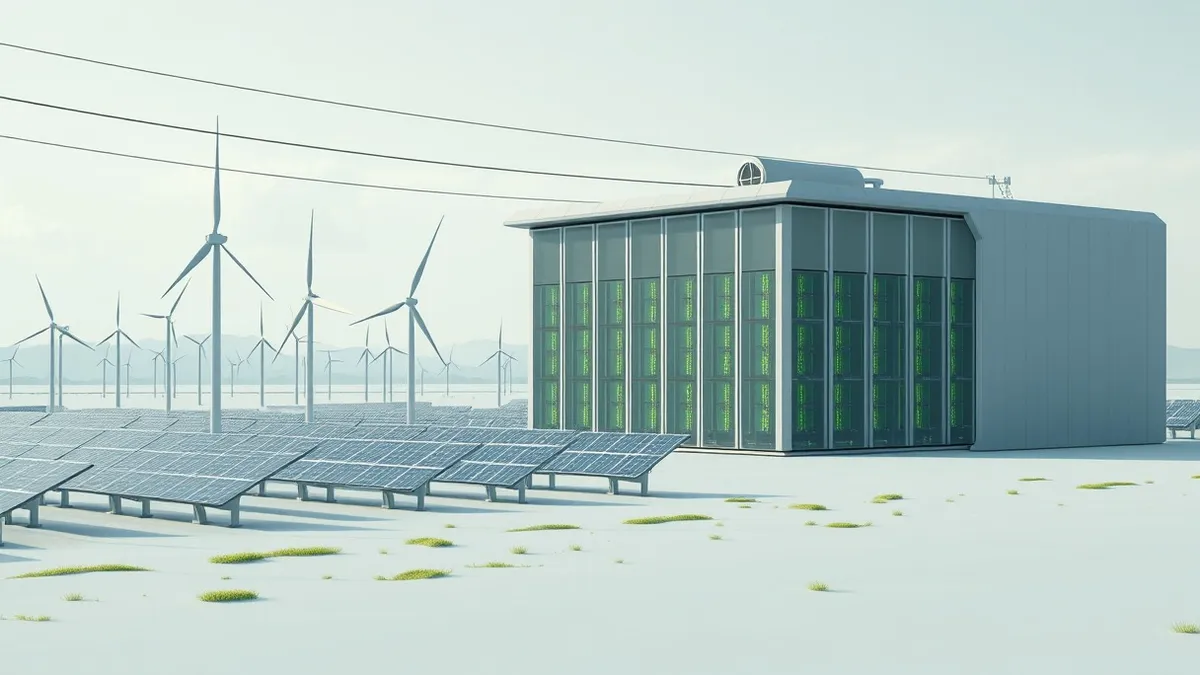
- The Gansu region serves as a primary example of the arid areas involved in this green-energy revolution.
Organisations focused on artificial intelligence infrastructure may face significant shifts in global energy dynamics as China launches a massive grid modernisation programme. The initiative aims to transform excess wind and solar power into computing capacity for AI systems. This strategic move addresses the growing demand for energy-intensive data centres while managing surplus renewable generation across the country.
According to Bloomberg, the plan involves a $3.9 trillion investment in grid infrastructure through 2049. The core objective is to utilise renewable energy that would otherwise go unused. By converting this surplus into an AI advantage, China seeks to strengthen its position in the artificial intelligence sector while improving overall energy efficiency and reducing waste from green power sources.
What we know
The scale of China's green-energy revolution is illustrated by developments in Gansu, an arid region on the edge of the country's renewable energy belt. This area exemplifies the challenges and opportunities associated with generating vast amounts of wind and solar power in remote locations where local consumption is limited. The infrastructure buildout is designed to transport and utilise this energy effectively.
Data from 2026 indicates that approximately nine percent of renewable output was wasted, underscoring the urgency of the grid improvements. This curtailment rate highlights the mismatch between generation capacity and immediate demand in certain regions. The proposed solution involves upgrading transmission networks to move power to areas with high computational needs, such as AI data centres.
The $3.9 trillion figure represents a long-term commitment to reshaping the national power grid. This investment spans decades, extending through 2049, allowing for gradual implementation of new technologies and infrastructure. The focus is on creating a resilient system that can handle intermittent renewable sources while supporting energy-heavy industries like artificial intelligence.
Defender's checklist
- Monitor global energy policy shifts that may impact supply chain costs for data centre operations.
- Assess current energy procurement strategies against potential changes in renewable energy availability.
- Evaluate infrastructure resilience plans in light of large-scale grid modernisation efforts in key regions.
- Review long-term capital expenditure forecasts for alignment with emerging green-energy computing trends.
What to do and how to stay safe: China
- Track official government announcements regarding grid infrastructure investments and regulatory changes.
- Analyse how renewable energy curtailment rates in key regions might affect future power pricing.
- Consult with energy experts to understand the implications of large-scale grid upgrades on local markets.
- Stay informed about technological advancements in energy storage and transmission that support AI workloads.
Step-by-step guide: AI Governance for Small Teams: Practical Controls and Cost
General security guidance from the TechWire Beat newsroom. It is not confirmed advice from the organisations named in this story.
Frequently asked questions
How much is China investing in its grid buildout for AI?
China plans a $3.9 trillion investment in grid infrastructure through 2049 to support AI capacity.
Why is China converting excess renewable energy into AI power?
Approximately nine percent of renewable output was wasted in 2026, prompting efforts to utilise this surplus.
Which region is highlighted in the report on this energy shift?
The Gansu region is cited as an example of the arid areas involved in this green-energy revolution.