Wearable Alert Prompts Veteran To Seek Treatment For Undiagnosed Sleep Apnea
A consumer health notification helped an Air Force veteran identify a serious breathing disorder, leading to medical intervention and treatment.
Key points
- Apple Watch sleep apnea notifications launched two years ago and operate quietly in the background.
- David Aladejobi, a 38-year-old Air Force veteran, received an alert that prompted a doctor visit.
- The feature uses accelerometer data over 30 days to identify potential breathing disturbances.
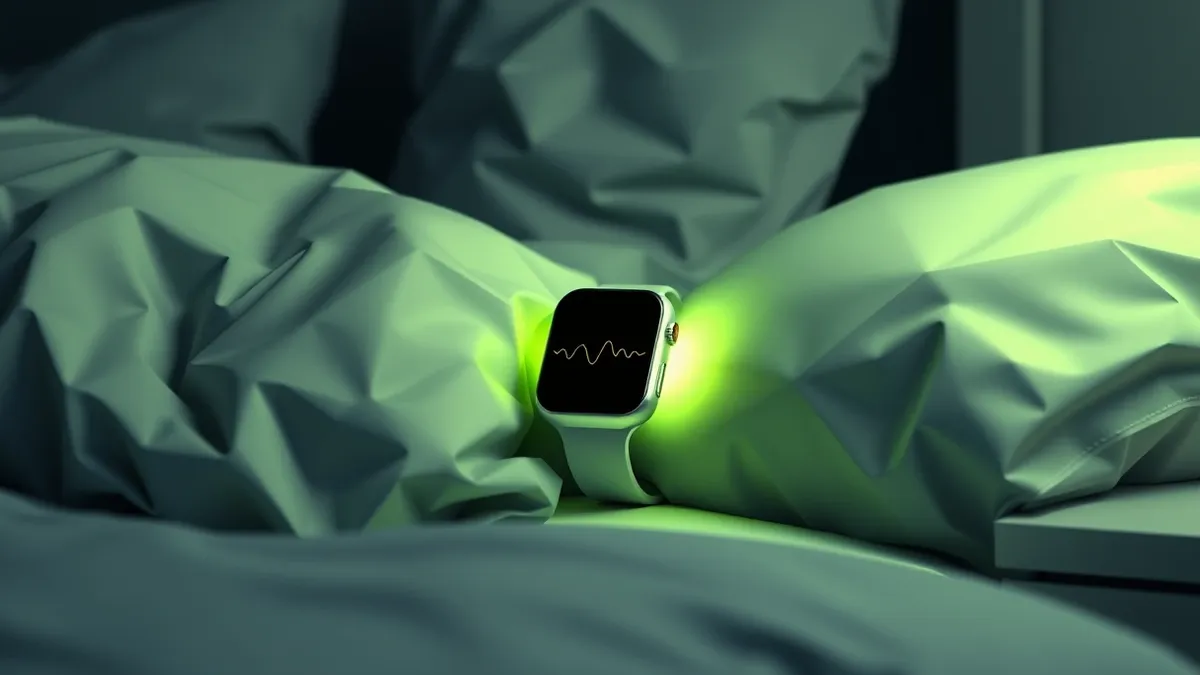
An Apple Watch health alert helped an Air Force veteran discover he had undiagnosed sleep apnea, leading to a medical diagnosis and treatment plan. This case illustrates how consumer wearable technology can serve as an early warning system for serious health conditions that individuals might otherwise overlook or remain unaware of until symptoms worsen significantly.
David Aladejobi, a 38-year-old veteran, initially dismissed the notification from his Apple Watch Ultra regarding possible sleep apnea. However, after considering his snoring habits and ongoing headaches, he shared a screenshot of the alert with his doctor. The physician suspected the headaches were sleep-related and referred him to a sleep lab.
What we know
Aladejobi received a prescription for a CPAP machine to regulate his breathing overnight following the diagnosis. According to his doctor, untreated sleep apnea can lead to high blood pressure or death. Apple states the notifications are intended for adults who have not already been diagnosed with the condition. The feature is not a medical diagnosis but provides a reason to consult a healthcare professional about potential symptoms.
Defender's checklist
- Verify that sleep tracking is enabled on compatible Apple Watch devices to allow background data collection.
- Ensure the device is worn to bed for at least ten nights within a thirty-day evaluation period.
- Review any health notifications promptly and share them with a medical professional for validation.
- Monitor for associated symptoms such as snoring or headaches that may correlate with the alert.
The background in plain language
Wearable health sensors collect continuous data about bodily functions during daily activities and sleep. Organisations and individuals should understand that these devices provide screening insights rather than definitive medical diagnoses. Teams usually treat these alerts as prompts for further professional evaluation rather than final conclusions. Check whether the device has sufficient data coverage to generate reliable patterns. This approach ensures that potential health risks are investigated by qualified experts who can confirm conditions and prescribe appropriate treatments based on comprehensive clinical assessments.
What to do and how to stay safe: Apple Watch
- Check your device settings to ensure sleep tracking and related health features are active.
- Wear your compatible device consistently during sleep to build sufficient data for analysis.
- Consult a healthcare provider if you receive a health notification or experience related symptoms.
- Review the specific device compatibility requirements for the health features you wish to use.
General security guidance from the TechWire Beat newsroom. It is not confirmed advice from the organisations named in this story.
Frequently asked questions
Which Apple Watch models support sleep apnea notifications?
The feature works with Apple Watch SE 3, Apple Watch Series 9 or later, and Apple Watch Ultra 2 or later.
Is the Apple Watch notification a confirmed medical diagnosis?
No, the notification is not a diagnosis; it indicates consistent signs of moderate to severe sleep apnea based on data.
How long does the watch need to track sleep to send a notification?
Users need to wear the watch to bed for at least 10 nights during a 30-day evaluation period.