10 US states legalize plug-in solar, empowering residents to cut electricity bills with standard outlets
Ten US states have legalised plug-in solar setups, allowing residents to connect small panels to standard outlets to reduce electricity costs.
Key points
- Utah was the first state to legalise backyard plug-in solar systems.
- Nine other states have since passed legislation or are actively working on bills.
- Approximately two dozen states have stalled legislation pending the 2027 session.
Ten US states have now legalised plug-in solar systems, enabling households to connect small-scale solar panels directly to standard electrical outlets. This shift allows consumers to generate their own power without complex installations, potentially lowering utility bills. The change reflects a growing legislative movement across the country to ease restrictions on these compact energy solutions.
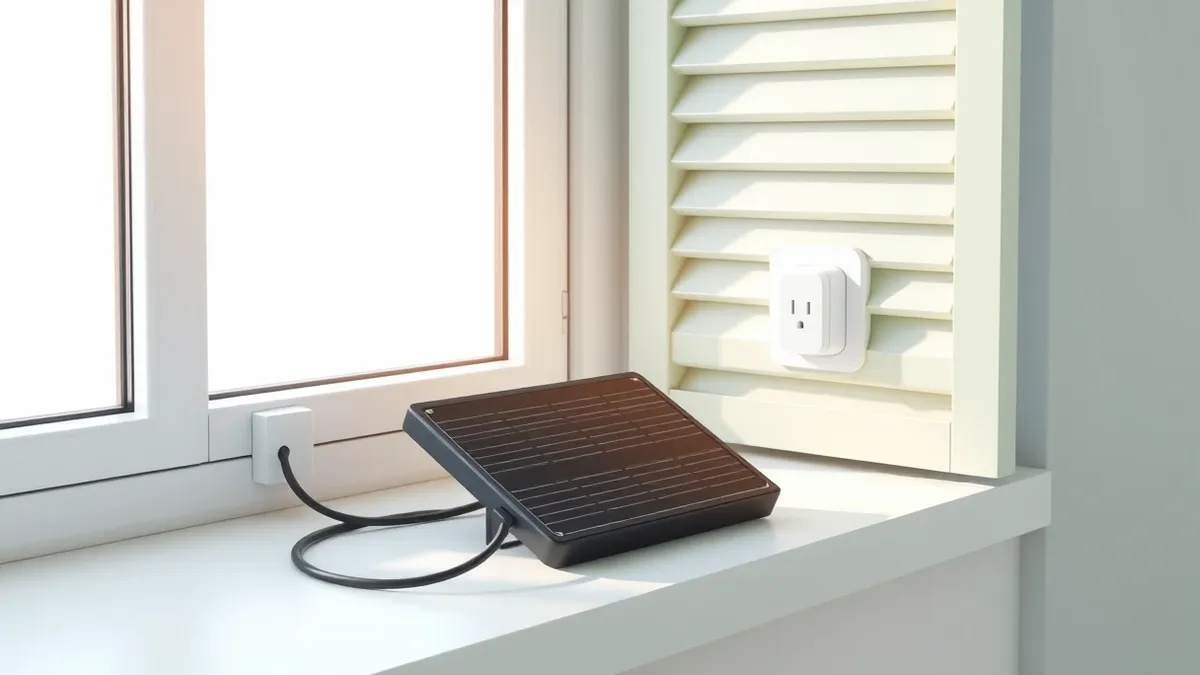
According to ZDNET Security, Utah pioneered this legalisation, with nine additional states following suit or actively drafting relevant bills. These systems, often termed balcony solar, consist of panels, an inverter, and a battery. They plug into standard 120-volt outlets and automatically route electricity to nearby appliances, offering a simple way for homeowners to offset energy consumption.
What we know
The adoption of plug-in solar is expanding beyond the initial ten states that have cleared legislative hurdles. ZDNET Security reports that roughly two dozen other states are currently processing similar bills. Some proposals are advancing through committee hearings, while others face delays. This legislative activity indicates a broader trend toward accepting residential solar generation, despite existing electrical code challenges.
Specific legislative progress is visible in several regions. Massachusetts is advancing bills H.5175 and S3143, while New York’s SUNNY Act awaits governor approval. Other states, including Michigan, Ohio, Pennsylvania, Rhode Island, South Carolina, and Washington DC, have reached the committee hearing stage. These developments suggest that more residents may soon gain legal access to these devices.
However, significant delays remain in other jurisdictions. ZDNET Security notes that legislation in Alaska, Arizona, Delaware, Hawaii, Idaho, Illinois, Indiana, Iowa, Minnesota, Missouri, North Carolina, and Oklahoma has stalled. These bills are generally paused until the next legislative session reconvenes in 2027. The primary barrier remains that most US household electrical systems are not designed to receive power through standard wall outlets.
Defender's checklist
- Verify local state laws before purchasing plug-in solar equipment.
- Check whether your home’s electrical code permits outlet-fed generation.
- Ensure the system includes a certified inverter and battery.
- Monitor legislative updates for changes in your jurisdiction.
The background in plain language
Plug-in solar systems differ from traditional rooftop arrays by connecting to standard household outlets rather than the main electrical panel. This plug-and-play approach simplifies installation but raises safety concerns. Homes are typically designed to consume power, not receive it through sockets. Teams usually assess whether the existing wiring can handle bidirectional flow. Users should check if their utility provider allows such connections. Understanding these basic electrical dynamics helps consumers navigate the legal and technical landscape of residential solar adoption.
What to do and how to stay safe: plug-in solar
- Consult your state’s energy office or utility provider to confirm current regulations.
- Review your home’s electrical capacity with a qualified professional before installation.
- Purchase only certified equipment that meets local safety standards.
- Monitor legislative developments in your state for future legalisation updates.
General security guidance from the TechWire Beat newsroom. It is not confirmed advice from the organisations named in this story.
Frequently asked questions
Which states have legalised plug-in solar?
Utah was the first, and nine other states have since passed legislation or are actively working on bills.
Why are these systems restricted in many states?
Most US household electrical systems are not designed to receive electricity through standard wall outlets, raising code and safety concerns.
What is the status of legislation in other states?
About two dozen states have stalled bills, with many pending until the 2027 legislative session, while others are in committee hearings.